 Eco Garden Tricks
Naturally outsmarting garden pests, the professional way.
Eco Garden Tricks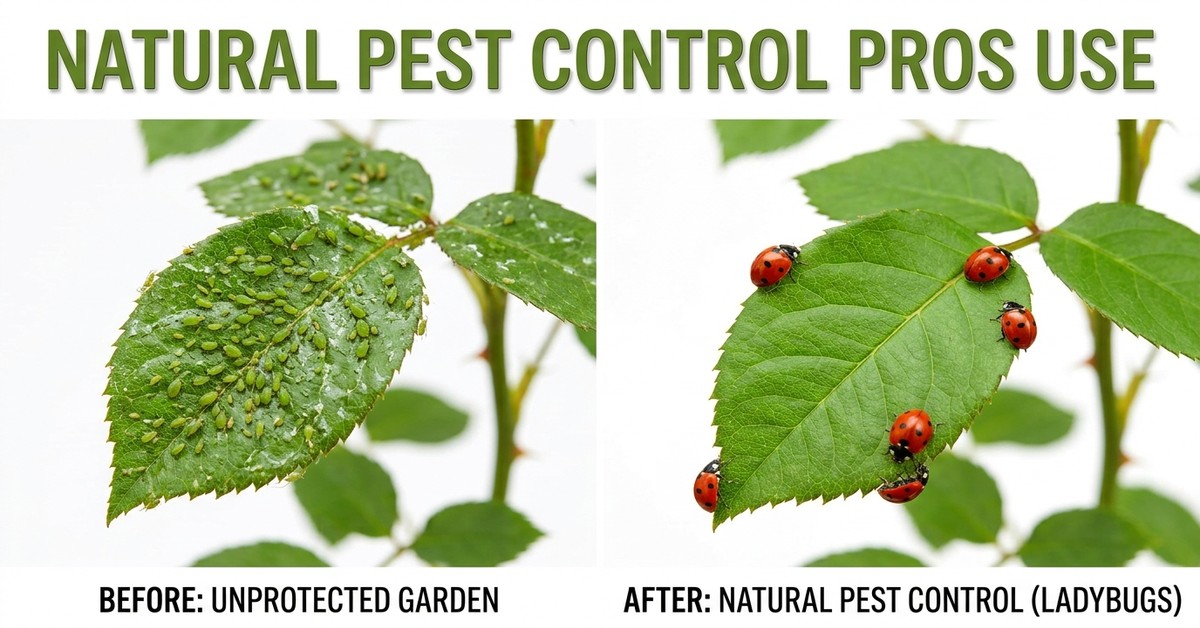
Every gardener dreams of lush, vibrant plants, free from the damage inflicted by common garden pests. Yet, the reality for many is a constant battle against aphids, slugs, spider mites, and other invaders that can decimate a garden overnight. While chemical solutions offer a quick fix, they often come with environmental concerns, harm beneficial insects, and can pose risks to pets and family.
This is precisely why many professional landscapers and garden designers have adopted a more sustainable and effective approach: a suite of natural pest deterrence methods that protect plants without resorting to harsh chemicals. It's often referred to as "The Trick Landscaping Pros Use to Stop Garden Pests Naturally." This isn't a single magical item, but rather an integrated strategy focused on understanding the garden ecosystem.
Every gardener dreams of lush, vibrant plants, free from the damage inflicted by common garden pests.

Professional landscapers prioritize prevention and ecological balance. They look at the garden as a whole system, identifying conditions that attract pests and implementing changes that make the environment less hospitable for them, while promoting beneficial life. This method transforms a struggling, pest-ridden plot into a thriving, resilient landscape.
One core principle involves encouraging beneficial insects. Ladybugs, lacewings, and parasitic wasps are natural predators of many common garden pests. Attracting these allies can be done through planting specific flowers like dill, fennel, and cosmos, which provide nectar and pollen. According to the National Gardening Association, a diverse planting strategy is key to fostering a healthy insect population balance.
Another powerful tactic is companion planting. Certain plants naturally repel pests or attract beneficial insects. For instance, marigolds are known to deter nematodes and other soil pests, while basil can help repel flies and mosquitoes from tomato plants. Mint, while aggressive, can also be strategically planted to deter ants and rodents.
Physical barriers and manual removal also play a significant role. Row covers can protect young seedlings from flying insects, and simple hand-picking of larger pests like slugs and hornworms can drastically reduce their numbers. Proper garden hygiene, such as removing fallen leaves and diseased plant material, eliminates breeding grounds and hiding spots for pests.
Furthermore, maintaining healthy soil and providing adequate water for your plants makes them more resilient to pest attacks. Stressed plants are often more susceptible. Watering at the base of plants in the morning reduces humidity, which can deter fungal issues and certain pests. As explained by university extension services, healthy soil biome is critical for strong plant defenses.
By implementing these interconnected strategies, landscapers create gardens that are not only beautiful but also self-regulating against pests. The transformation from a garden plagued by constant infestation to one that flourishes naturally is a testament to the power of these expert-level ecological practices. It's about working with nature, not against it, to achieve lasting results.