 Eco Garden Tricks
Naturally outsmarting garden pests, the professional way.
Eco Garden Tricks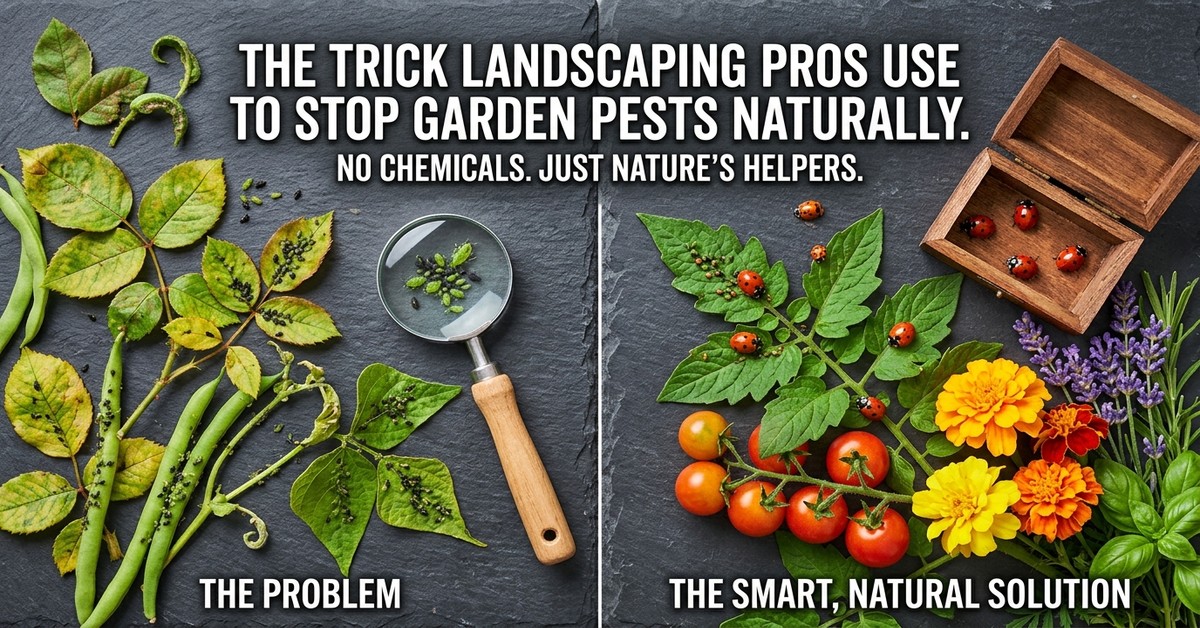
Maintaining a lush, vibrant garden free from destructive pests is a universal goal for any gardener. While many turn to harsh chemical solutions, landscaping professionals often employ a more sustainable and equally effective approach. The trick isn't a single, magic bullet, but a strategic, holistic methodology that respects the ecosystem of your garden.
Maintaining a lush, vibrant garden free from destructive pests is a universal goal for any gardener.
Landscaping pros understand that true pest control begins with prevention and keen observation. They don't just react to infestations; they actively work to create an environment where pests are less likely to thrive, and beneficial insects can flourish. This integrated pest management (IPM) approach is central to their success.
Before any action is taken, experts stress the importance of accurate pest identification. Different pests require different strategies. Can you identify common garden invaders like aphids, spider mites, slugs, or cabbage worms? Landscaping pros spend time visually inspecting plants, looking for tell-tale signs like chewed leaves, sticky residue (honeydew), or visible insect bodies. Early detection is key to controlling issues before they become widespread. According to the University of California Agriculture & Natural Resources, proper identification is the critical first step in effective pest management.
This is where the garden truly comes alive! Landscaping professionals actively encourage beneficial insects that prey on pests. Ladybugs devour aphids, lacewings target a variety of soft-bodied insects, and parasitic wasps lay eggs inside caterpillars. Creating a habitat for these natural predators, perhaps by planting flowers rich in nectar and pollen, is a cornerstone of professional pest control.
When pests do appear, pros often opt for physical removal or barriers:
If an infestation becomes severe, pros turn to the least toxic options first. Organic sprays like neem oil, derived from the neem tree, disrupt insect feeding and reproduction, while insecticidal soaps suffocate soft-bodied pests. These are applied judiciously and precisely to minimize impact on beneficial insects and the environment. As explained in publications like Organic Gardening magazine, these methods are effective when used correctly and as part of a broader strategy.
By adopting these expert strategies—focusing on identification, prevention, encouraging beneficial insects, and using organic treatments only when necessary—you can achieve a naturally pest-free garden, just like the pros do.