 Eco Garden Tricks
Naturally outsmarting garden pests, the professional way.
Eco Garden Tricks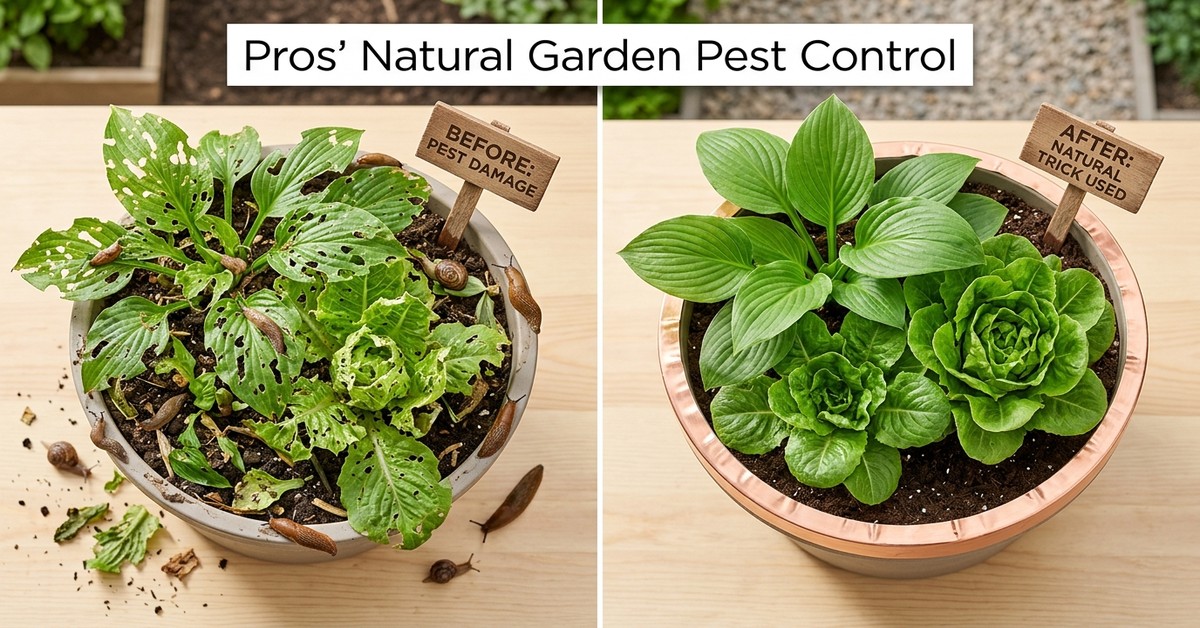
Every garden faces its share of challenges, and among the most persistent are pests. While the immediate impulse might be to reach for chemical solutions, a growing number of landscaping professionals are adopting a more sustainable and ultimately more effective approach. This isn't about a single magic bullet, but rather a holistic system of integrated pest management that works with nature, not against it.
Every garden faces its share of challenges, and among the most persistent are pests.
The concept behind The Trick Landscaping Pros Use to Stop Garden Pests Naturally isn't a singular, hidden method. Instead, it encompasses a suite of ecological strategies designed to foster a resilient garden ecosystem where pests are managed rather than eradicated entirely. This method prioritizes prevention, plant health, and encouraging natural predators, leading to long-term success without harming beneficial insects, pollinators, or the broader environment.
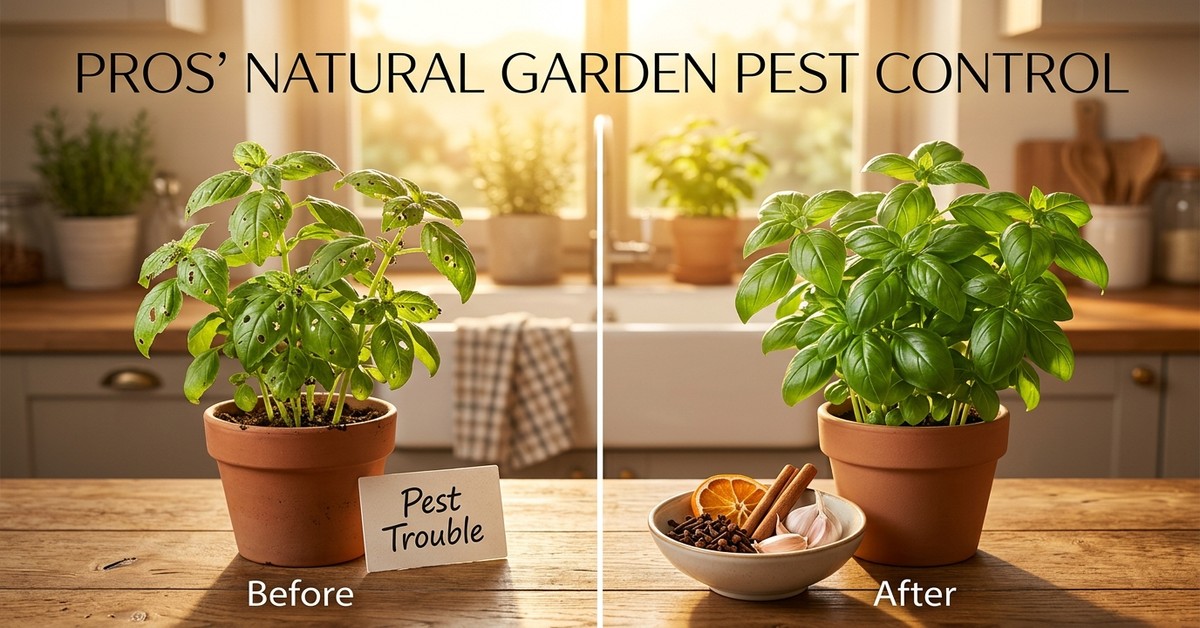
Professional landscapers understand that a healthy garden is inherently more capable of defending itself against pest infestations. Their strategies often revolve around several core principles:
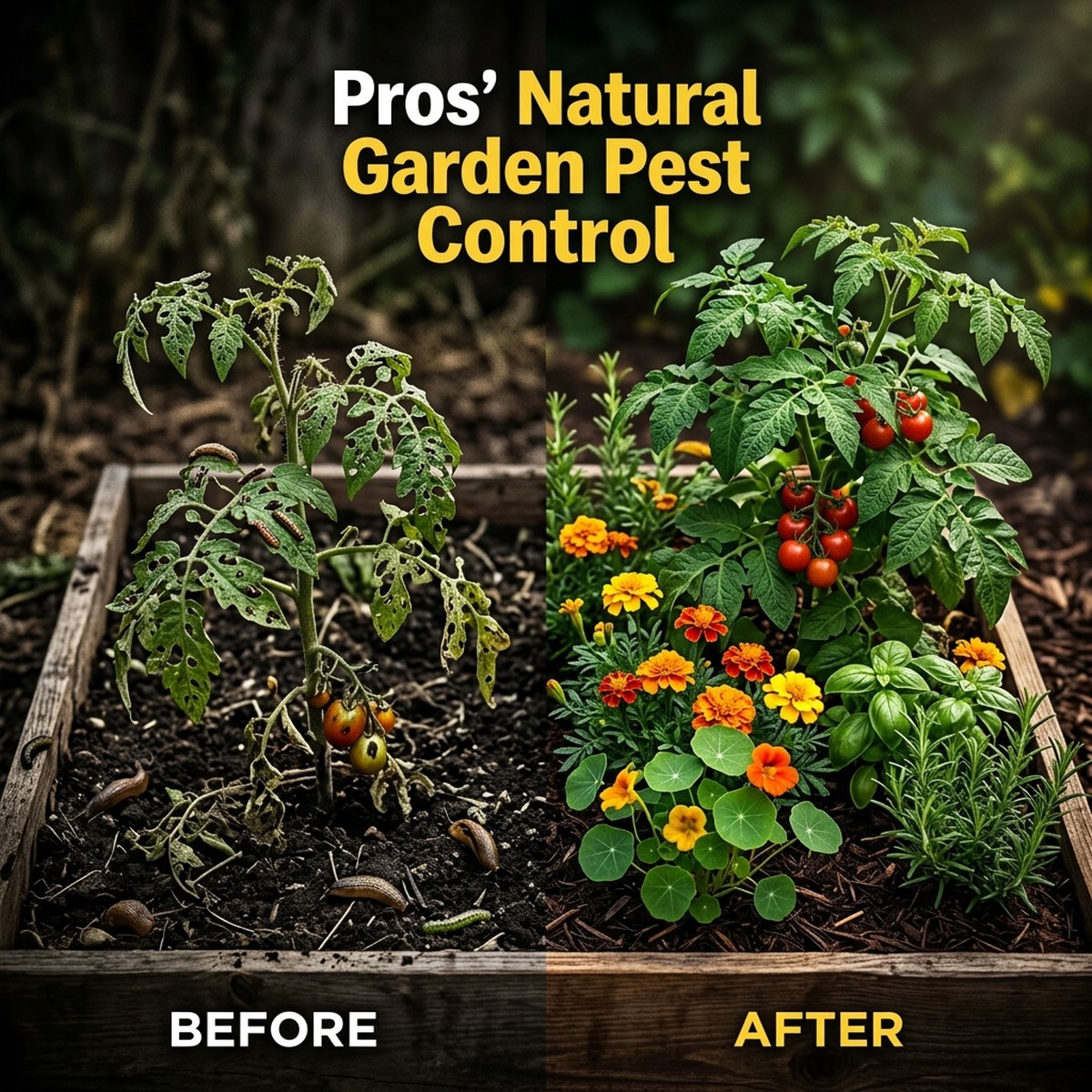
Beyond the obvious benefit of avoiding harmful chemicals, natural pest control methods contribute to a more vibrant, balanced ecosystem. They protect essential pollinators, preserve soil integrity, and ensure the safety of pets, children, and wildlife. As explained by the National Gardening Association, these methods often lead to more sustainable and productive gardens in the long run, reducing the need for constant intervention.
This professional approach is not about eliminating every single insect from a garden, but rather about maintaining an ecological balance where pest populations remain at manageable levels. It’s a proactive, informed strategy that many top landscapers have embraced for its proven efficacy and profound environmental responsibility. By adopting these expert-backed, natural strategies, you too can transform your garden into a resilient, thriving, and naturally protected space.