Every gardener dreams of lush, vibrant plants free from the relentless assault of pests. While many home gardeners reach for chemical solutions, landscaping professionals often employ a more sustainable and effective approach. They understand that a healthy garden is a resilient garden, and their methods focus on prevention and natural defense rather than reactive chemical warfare. This comprehensive, natural strategy is precisely what allows them to maintain stunning, pest-free landscapes for their clients.
Every gardener dreams of lush, vibrant plants free from the relentless assault of pests.
The Foundational Principles of Pro Pest Management
Professional landscapers don't view pest control as an isolated task; it's integrated into their overall garden health strategy. Their success hinges on several key principles:
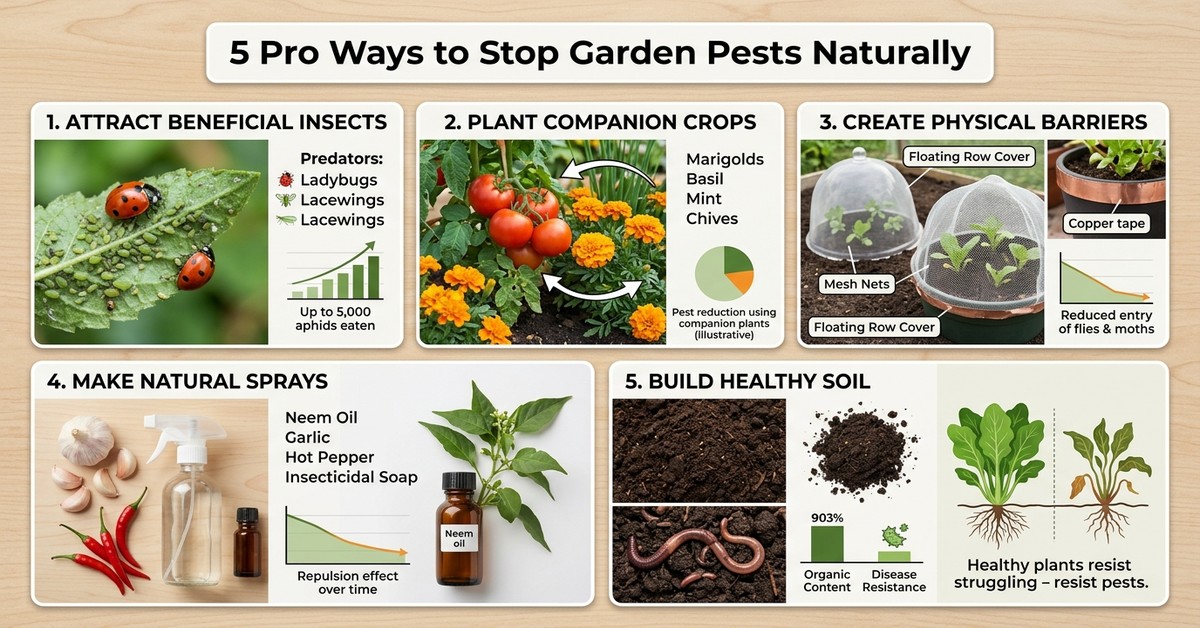
Building Soil Health: Strong, healthy plants are naturally more resistant to pests and diseases. According to the National Gardening Association, nutrient-rich, well-draining soil is paramount for plant vitality, directly impacting their ability to ward off attackers. Pros prioritize soil amendments, composting, and proper fertilization to create an optimal growing environment.
Strategic Plant Selection: Choosing the right plants for your climate and soil conditions reduces stress, making them less attractive to pests. Professionals also utilize pest-resistant varieties and native plants that are naturally adapted to local conditions.
Proven Natural Pest Deterrents and Controls
Beyond the foundational health, pros implement active natural methods to keep pests at bay:
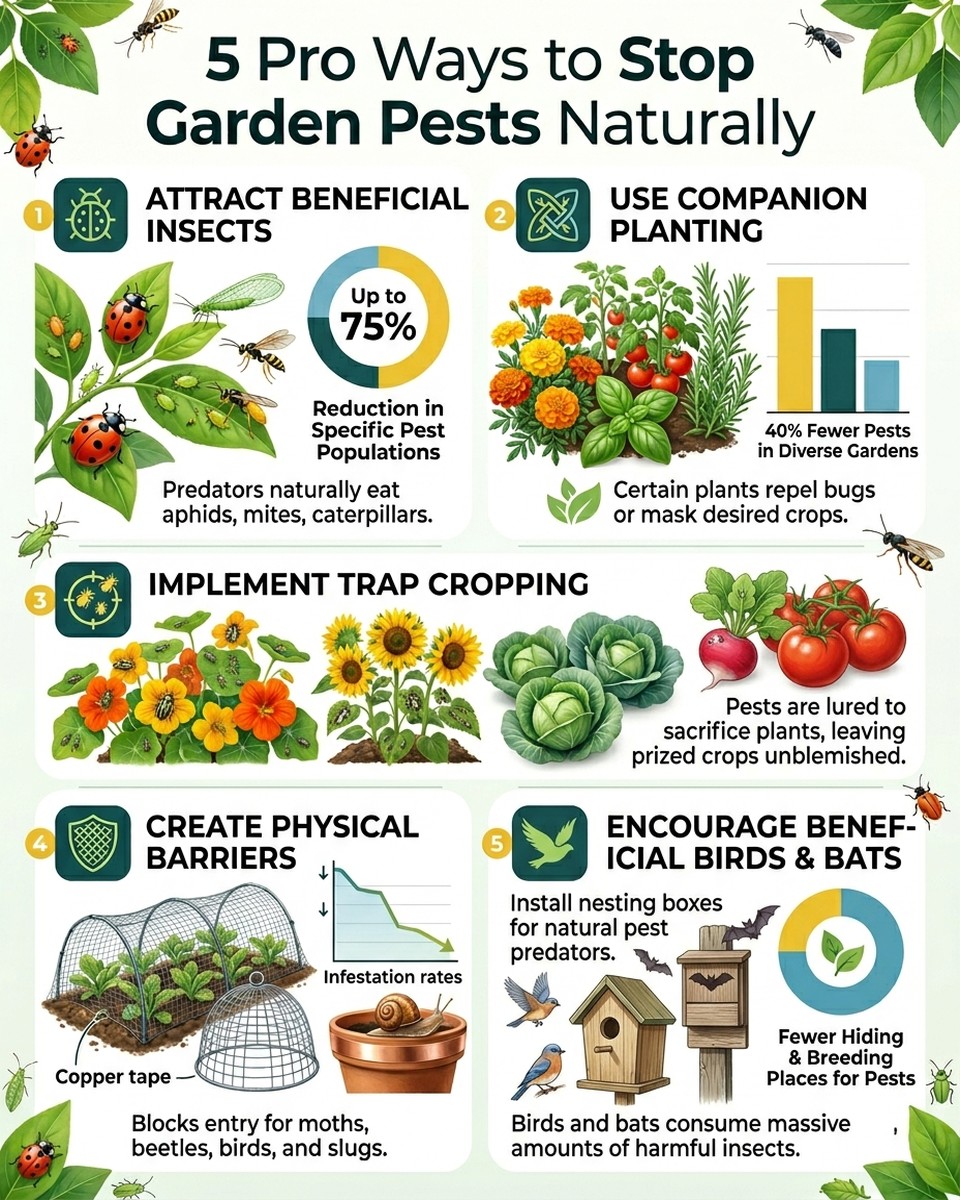
Companion Planting: This ancient technique involves planting specific species together that mutually benefit each other. For example, marigolds deter nematodes and other insects, while basil can repel flies and mosquitoes near tomatoes.
Attracting Beneficial Insects: Ladybugs, lacewings, and parasitic wasps are natural predators that feast on common garden pests like aphids and scale. Landscaping experts actively encourage these "good bugs" by planting their favorite nectar-rich flowers like dill, fennel, and yarrow.
Physical Barriers: Simple solutions like row covers can protect young plants from flying insects, while copper tape can deter slugs and snails. Hand-picking larger pests like tomato hornworms remains a tried-and-true method for professionals maintaining smaller areas.
Homemade Organic Sprays: When a localized infestation occurs, pros might opt for gentle, homemade solutions. A diluted neem oil spray, for instance, can disrupt insect feeding and reproduction without harming beneficial insects or the environment. Similarly, a mild soap solution can effectively treat aphids.
Adopting these multi-faceted strategies, as detailed by sources like Sunset Magazine in their gardening guides, shifts your garden from a battleground to a balanced ecosystem. It's not about eradicating every single insect, but about maintaining an equilibrium where beneficial organisms keep pest populations in check. This holistic approach is the well-researched methodology that allows landscaping professionals to achieve beautiful, resilient, and naturally pest-free gardens year after year. Consistency and observation are key to long-term success, helping you identify issues early and apply the most appropriate natural defense.
EV
Eleanor Vance
Eleanor Vance is a seasoned landscape designer with over 15 years of experience in sustainable horticulture. She specializes in natural pest management techniques that protect gardens without harmful chemicals.
 Eco Garden Tricks