 Eco Garden Tricks
Naturally outsmarting garden pests, the professional way.
Eco Garden Tricks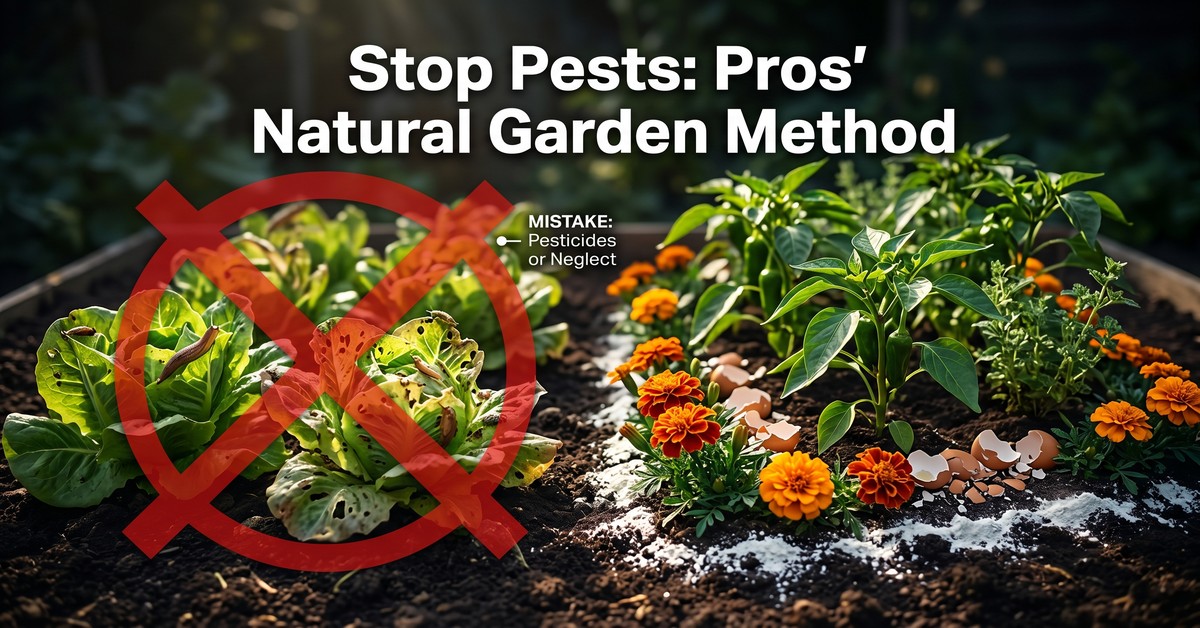
Few things are as frustrating for a gardener as discovering a beloved plant ravaged by pests. The usual scramble involves identifying the culprit and reaching for a quick fix, often a chemical spray. While these methods might offer temporary relief, they frequently miss the underlying issues, leading to a recurring cycle of infestation and treatment. Many amateur gardeners often make a crucial oversight that keeps them locked in this battle.
The common approach is reactive: waiting for pests to appear and then combating them. This overlooks a fundamental principle that landscaping professionals understand deeply: prevention is far more effective than cure. Instead of just fighting pests, experts focus on building a resilient garden ecosystem. The "mistake" is often not realizing that the garden itself can be its own best defense mechanism if managed correctly.
This brings us to The Trick Landscaping Pros Use to Stop Garden Pests Naturally. It’s not a single magic bullet, but rather a holistic strategy known as Integrated Pest Management (IPM), tailored for natural solutions. This approach prioritizes understanding the garden’s ecology, fostering biodiversity, and using targeted, environmentally friendly methods. It's about creating an environment where pests struggle to thrive, and beneficial organisms flourish.
One key element is promoting soil health. Healthy soil leads to strong plants, which are naturally more resistant to pest attacks. As the National Gardening Association emphasizes, nutrient-rich soil supports robust growth, making plants less susceptible to stress that attracts pests. Another vital component is attracting beneficial insects like ladybugs, lacewings, and parasitic wasps, which prey on common garden nuisances. Planting companion crops such as marigolds, basil, or garlic can deter specific pests while also attracting helpful pollinators and predators. University Extension programs frequently recommend physical barriers like row covers for vulnerable young plants, offering protection without chemicals.
Additionally, proper sanitation, such as promptly removing diseased plant material and fallen leaves, eliminates breeding grounds and overwintering sites for pests. Correct watering techniques prevent stressed plants that become easy targets. By implementing these interconnected strategies, you move beyond mere symptom treatment to creating a self-sustaining, pest-resistant garden. This expert-level approach ensures a healthier, more vibrant landscape, safe for your family and the environment, finally breaking the cycle of pest frustration.