 Eco Garden Tricks
Naturally outsmarting garden pests, the professional way.
Eco Garden Tricks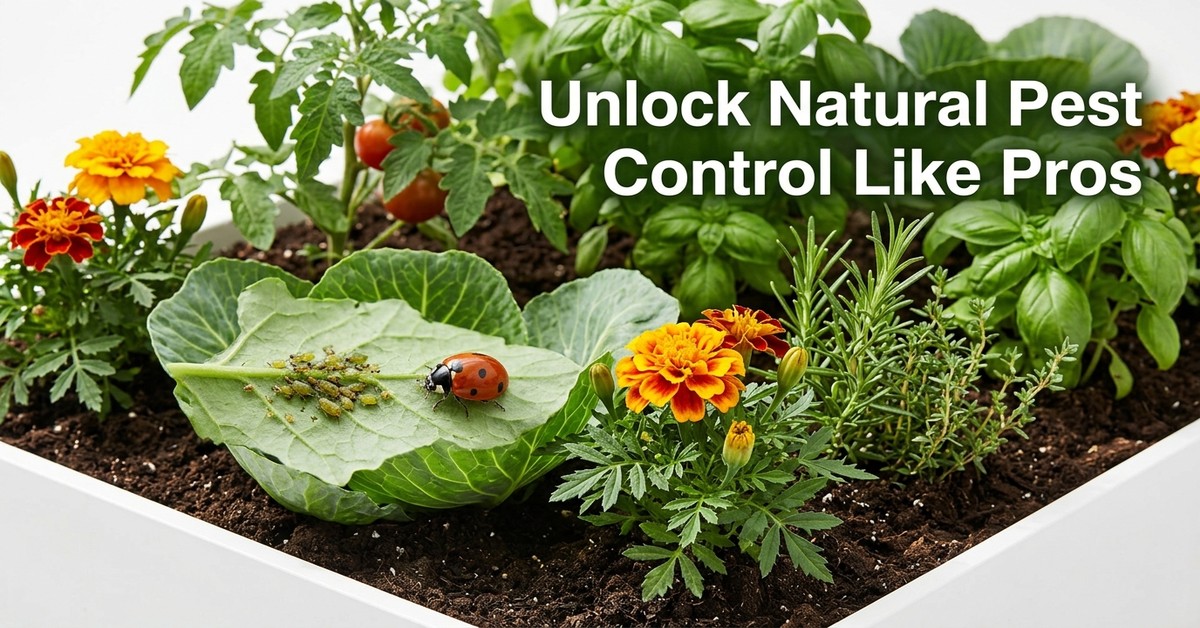
Every gardener dreams of a lush, vibrant space teeming with life – but not necessarily the kind that munches on prized produce or defoliates ornamental plants. While chemical pesticides offer a quick fix, many homeowners and professional landscapers alike are increasingly turning to natural, sustainable methods for pest control. The challenge lies in finding solutions that are both effective and environmentally responsible.
For those seeking a healthier garden ecosystem, understanding the approach taken by seasoned landscaping professionals is key. These experts prioritize long-term garden health over short-term eradication, focusing on prevention and ecological balance. They've mastered strategies that deter common garden invaders without resorting to harsh chemicals.
Every gardener dreams of a lush, vibrant space teeming with life – but not necessarily the kind that munches on prized produce or defoliates ornamental plants.
So, what exactly are these expert strategies landscaping professionals employ to stop garden pests naturally? It's less about a single "trick" and more about an integrated approach known as Integrated Pest Management (IPM), tailored for natural solutions. IPM emphasizes a combination of methods to manage pests, rather than simply eliminating them.
The core philosophy among professional landscapers is to observe, understand, and then act. They regularly monitor gardens for early signs of pest activity, identifying the pest species and assessing the extent of the damage before deciding on the least intrusive, most effective natural method. This proactive and holistic approach ensures long-term pest management and a healthier, more resilient garden.
By adopting these expert-backed, natural methods, you can transform your garden into a fortress against common invaders, enjoying bountiful harvests and beautiful blooms without compromise. It’s about working with nature, not against it, to cultivate a truly thriving outdoor space.