Maintaining a vibrant, healthy garden free from destructive pests is a universal goal for any gardener. While chemical solutions offer a quick fix, they often come with environmental drawbacks and potential risks to beneficial insects, pets, and even humans. This is precisely why more and more gardeners, including professional landscapers, are turning to natural, sustainable methods. They understand that a truly thriving garden ecosystem relies on balance, not brute force.
For years, professionals in the landscaping industry have honed strategies to manage garden pests effectively without resorting to harsh chemicals. This approach, often referred to as "The Trick Landscaping Pros Use to Stop Garden Pests Naturally," isn't a single magic bullet but a comprehensive set of integrated practices designed to work with nature, not against it. These methods focus on prevention, understanding pest life cycles, and promoting a robust garden environment that can naturally deter invaders.
Maintaining a vibrant, healthy garden free from destructive pests is a universal goal for any gardener.
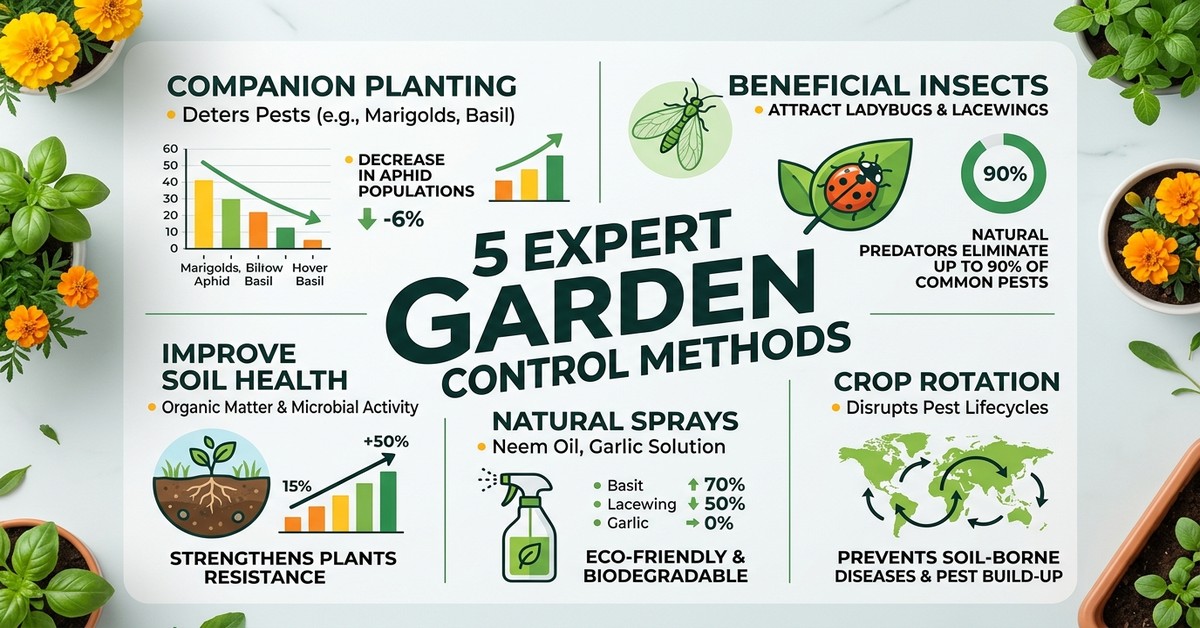
Five Key Natural Pest Control Strategies Trusted by Experts
Drawing on decades of horticultural experience, landscaping professionals consistently apply these proven techniques to ensure their clients' gardens remain beautiful and pest-free. Here are five of their most effective natural strategies:
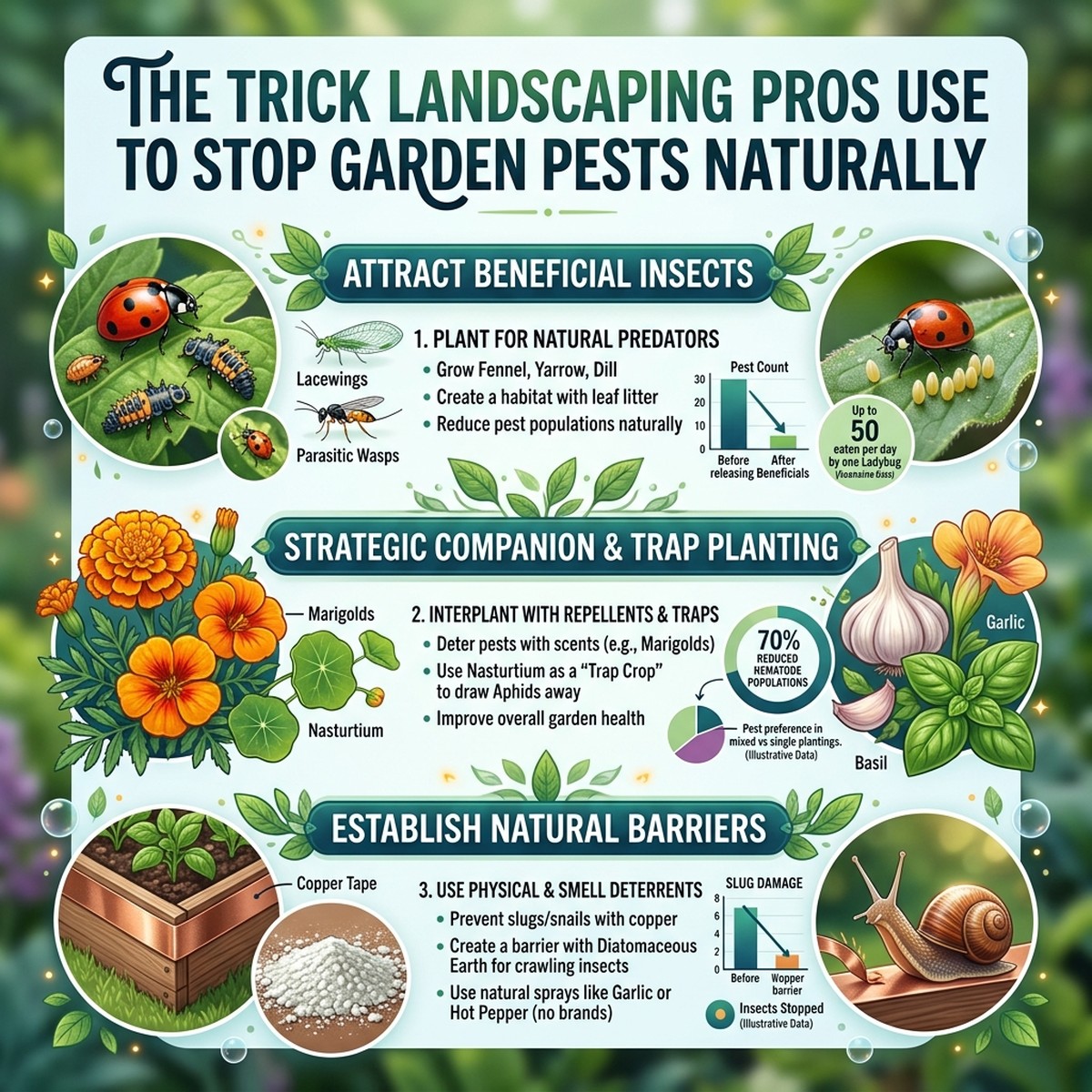
1. Smart Companion Planting: One of the oldest and most effective natural pest control methods is strategic companion planting. Certain plants naturally repel pests or attract beneficial insects that prey on unwanted garden invaders. For example, planting marigolds near vegetables can deter nematodes and other harmful insects, while nasturtiums can act as a trap crop for aphids, drawing them away from more valuable plants. According to insights from The Old Farmer's Almanac, understanding plant relationships is foundational for natural pest management.
2. Inviting Beneficial Insects: Creating a habitat for natural predators is a cornerstone of professional pest control. Ladybugs feast on aphids, lacewings consume a variety of soft-bodied insects, and parasitic wasps target caterpillars. Landscapers encourage these garden allies by planting nectar-rich flowers like dill, fennel, and cosmos, and providing shallow water sources.
3. Regular Garden Monitoring & Manual Removal: Consistent observation is crucial. Professionals routinely inspect plants for early signs of pest infestations, allowing for immediate, small-scale intervention. Many pests, such as slugs, snails, and larger caterpillars, can simply be hand-picked off plants and removed. A strong stream of water can dislodge aphids and spider mites effectively without chemicals.
4. Organic Pest Barriers & Traps: Physical barriers can prevent pests from reaching vulnerable plants. Row covers can protect seedlings from flying insects, while copper tape deters slugs and snails. Simple homemade traps, like shallow dishes of beer for slugs or sticky traps for whiteflies, are also effective. These methods minimize damage without introducing toxins.
5. Soil Health & Plant Vigor: A healthy plant is naturally more resistant to pests and diseases. Landscaping pros prioritize rich, well-draining soil, proper watering, and adequate fertilization with organic amendments. Stress-free plants are less attractive to many common pests. As Organic Gardening Magazine often emphasizes, healthy soil is the foundation of a healthy garden ecosystem, providing plants with the resilience to ward off pests naturally.
By integrating these five natural methods, landscaping professionals create resilient garden environments where pests are managed proactively and sustainably. Adopting these expert-approved techniques allows home gardeners to enjoy a beautiful, productive, and chemical-free outdoor space.
EV
Eleanor Vance
Eleanor Vance is a seasoned landscape designer with over 15 years of experience in sustainable horticulture. She specializes in natural pest management techniques that protect gardens without harmful chemicals.
 Eco Garden Tricks