 Eco Garden Tricks
Naturally outsmarting garden pests, the professional way.
Eco Garden Tricks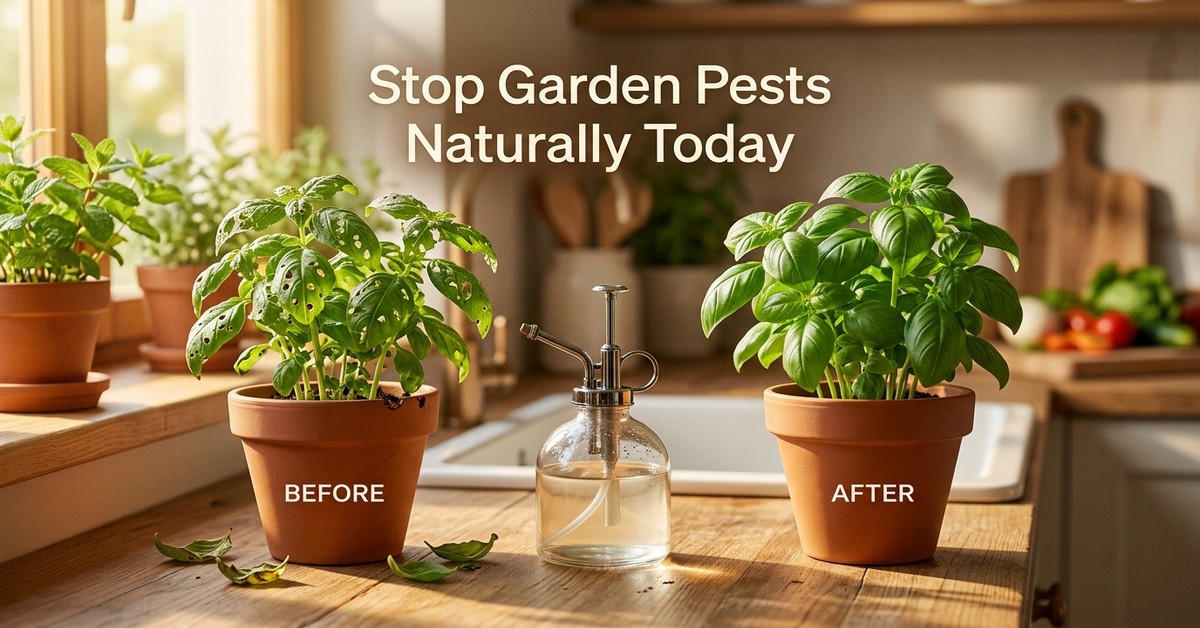
Garden pests can be a frustrating challenge for any gardener, from the seasoned pro to the weekend enthusiast. The desire to protect precious plants often clashes with the concern for environmental health and the safety of family and pets. Many homeowners seek alternatives to harsh chemical pesticides, turning their attention to more natural and sustainable solutions. The good news is that landscaping professionals have long employed effective, eco-friendly strategies to keep gardens thriving and pest-free.
The core approach that landscaping pros use isn't a single, magic bullet, but rather a holistic and integrated method to garden management. This strategy, often referred to as Integrated Pest Management (IPM), focuses on prevention, monitoring, and using the least toxic methods first. It's about understanding the garden ecosystem and working with nature, rather than against it.
Garden pests can be a frustrating challenge for any gardener, from the seasoned pro to the weekend enthusiast.
IPM is a science-based decision-making process that identifies and manages pests using a combination of common-sense practices. Its core principles include regular observation of plants for early signs of pests, accurate identification of the pest and its life cycle, and then implementing control measures that are both effective and environmentally sound. This approach minimizes risks to human health, beneficial organisms, and the environment. According to resources like WikiHow, applying these natural methods consistently is key to long-term success in pest management.
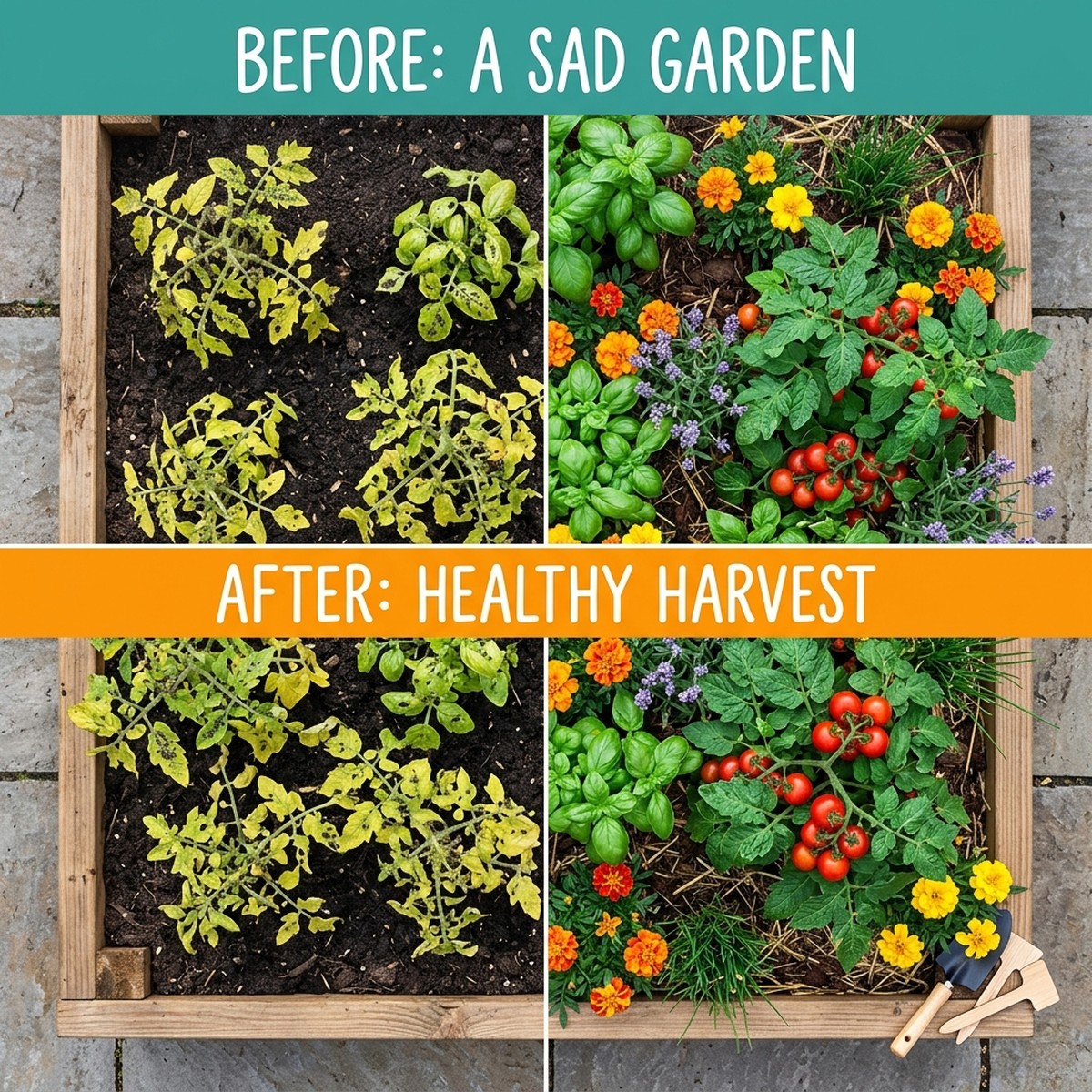
Landscaping professionals leverage a range of natural techniques that fall under the IPM umbrella. These methods not only deter pests but also foster a healthier, more resilient garden environment:
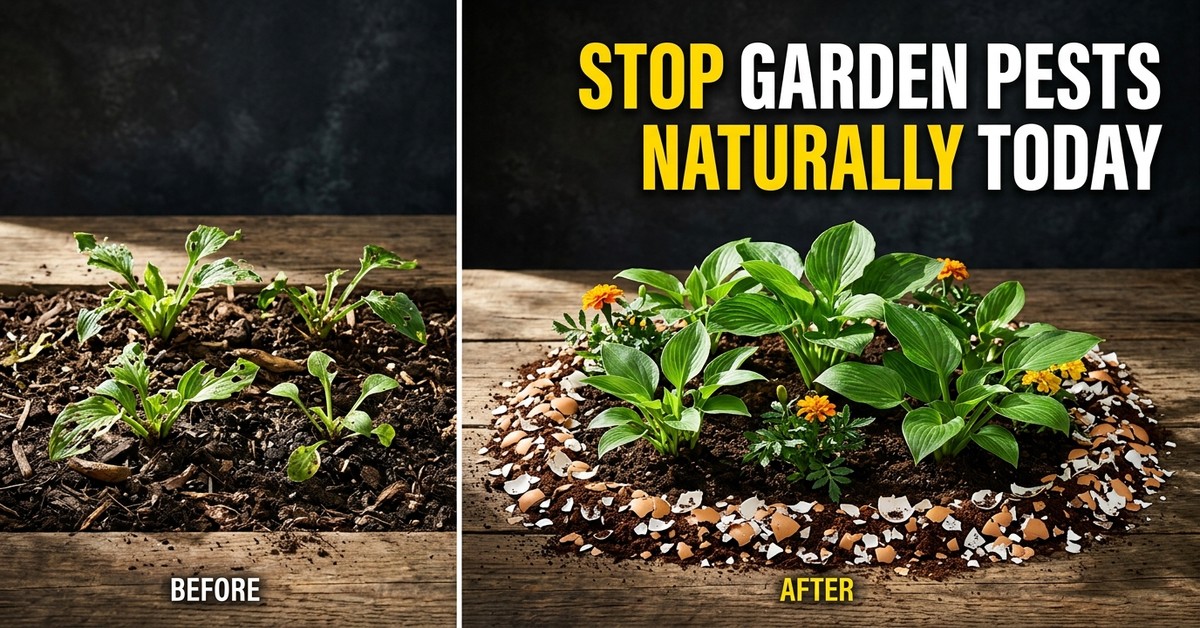
The success of these natural pest control methods lies in their integrated application and consistency. Instead of waiting for a full-blown infestation, pros proactively build a pest-resistant ecosystem. They understand that a diverse garden with a variety of plants and habitats is less likely to suffer from severe pest outbreaks. By observing, adapting, and using a combination of these natural strategies, landscapers create beautiful, vibrant outdoor spaces that thrive without the need for synthetic chemicals.
Embracing these expert-backed, natural pest control methods can transform your garden into a resilient sanctuary. It’s an investment in the long-term health of your plants and the well-being of your local environment.